Mastering AI Agent Skills in the SDLC

Writer
The way we build software is fundamentally shifting. We are moving past the novelty of simple chat completions and entering the era of Agentic Engineering—where developers orchestrate AI systems to manage complex, multi-tenant enterprise applications.
Recently, industry leaders have broken down the architecture of Agent Skills, detailing how to move away from unstructured “vibe coding” into a disciplined, AI-assisted Software Development Life Cycle (SDLC). Here is a deep dive into implementing Agent Skills, optimizing your context windows, and building predictable AI workflows.
Agentic Engineering vs. Vibe Coding
Before diving into the architecture, it is crucial to understand the distinction between the two current modes of AI development:
- Vibe Coding: Ideal for fast, throwaway weekend projects. It involves unstructured prompting where you “vibe” with the AI until it produces something that somewhat works.
- Agentic Engineering: Requires discipline. It applies traditional Software Development Life Cycle (SDLC) principles for enterprise and production environments, ensuring predictability, security, and scalable architecture.
What Are Agent Skills?
If you have ever shared a highly optimized .bashrc or a custom set of dotfiles, you understand the premise of an Agent Skill.
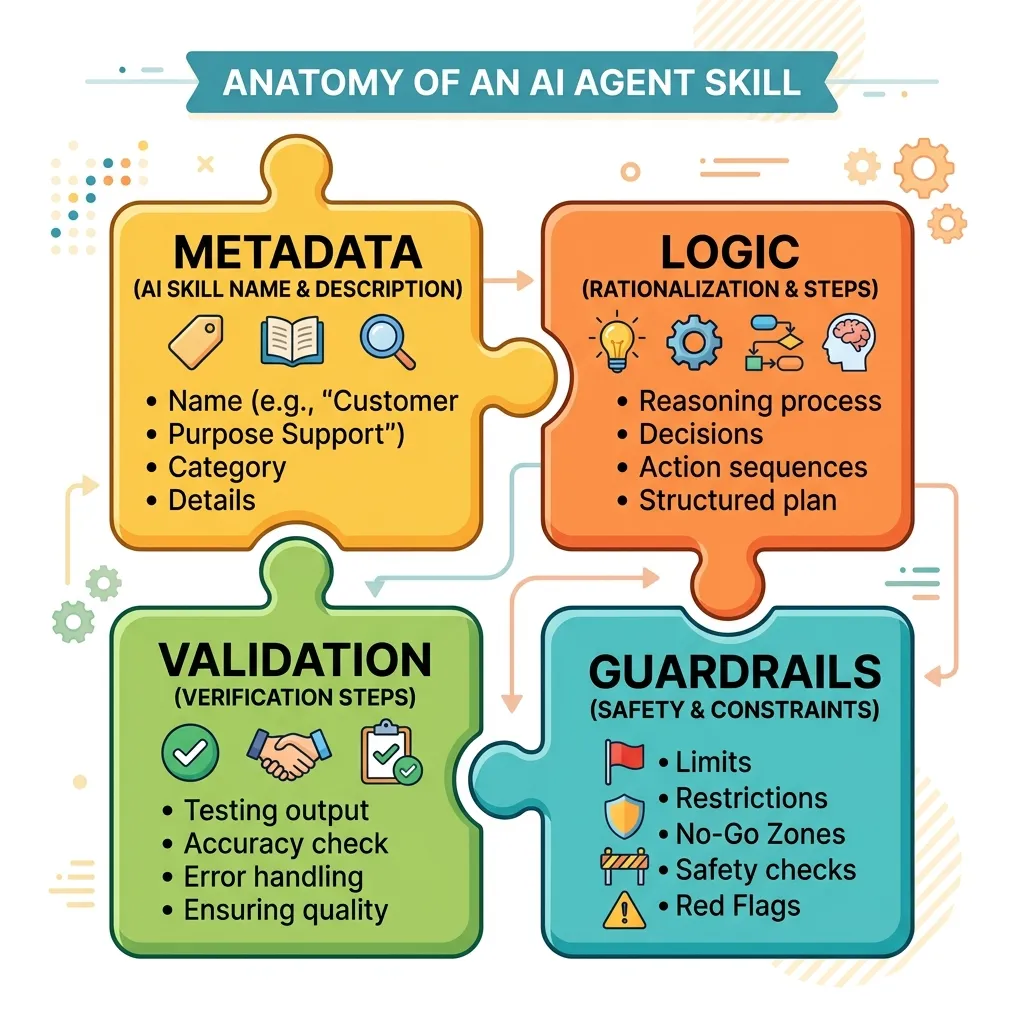
An Agent Skill is a standardized method for packaging expertise, context, and workflows that an AI agent lacks by default. Instead of relying on sprawling, one-off prompts, skills encapsulate specific workflows.
Skill Structure
A well-constructed skill includes:
- Name & Description: The metadata the agent uses to identify the tool.
- Rationalization: Clear logic on when to use it and when to avoid it.
- Red Flags: Guardrails to recognize when the agent is drifting off-task.
- Verification Steps: Criteria to prove the task was executed correctly.
Progressive Loading
Context limits (even at 128k+) fill up rapidly in complex codebases. A massive advantage of Agent Skills over loading monolithic MCP toolsets is progressive loading.
The model initially only receives the names and descriptions of available skills. It loads the full instructional payload of a skill only when the task demands it dynamically. This heavily conserves token context windows and optimizes performance.
The AI-Assisted SDLC
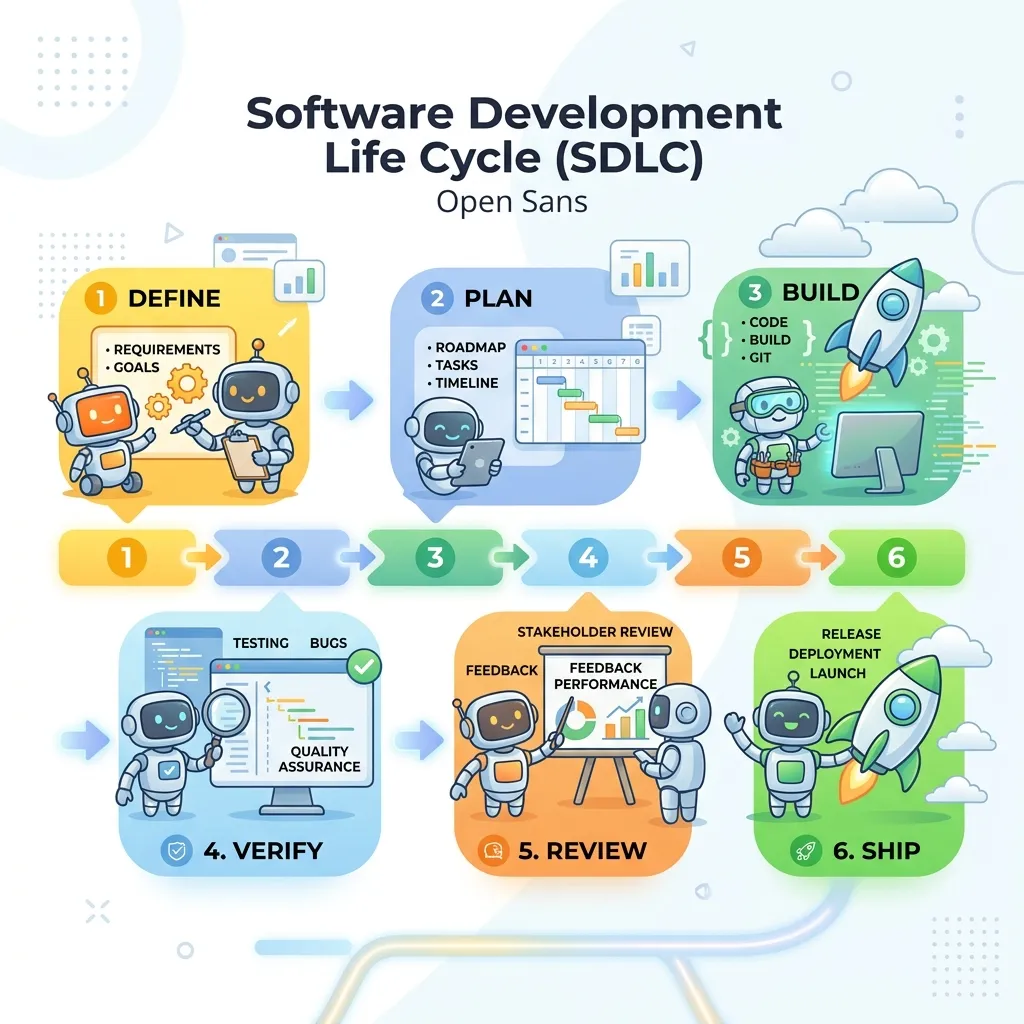
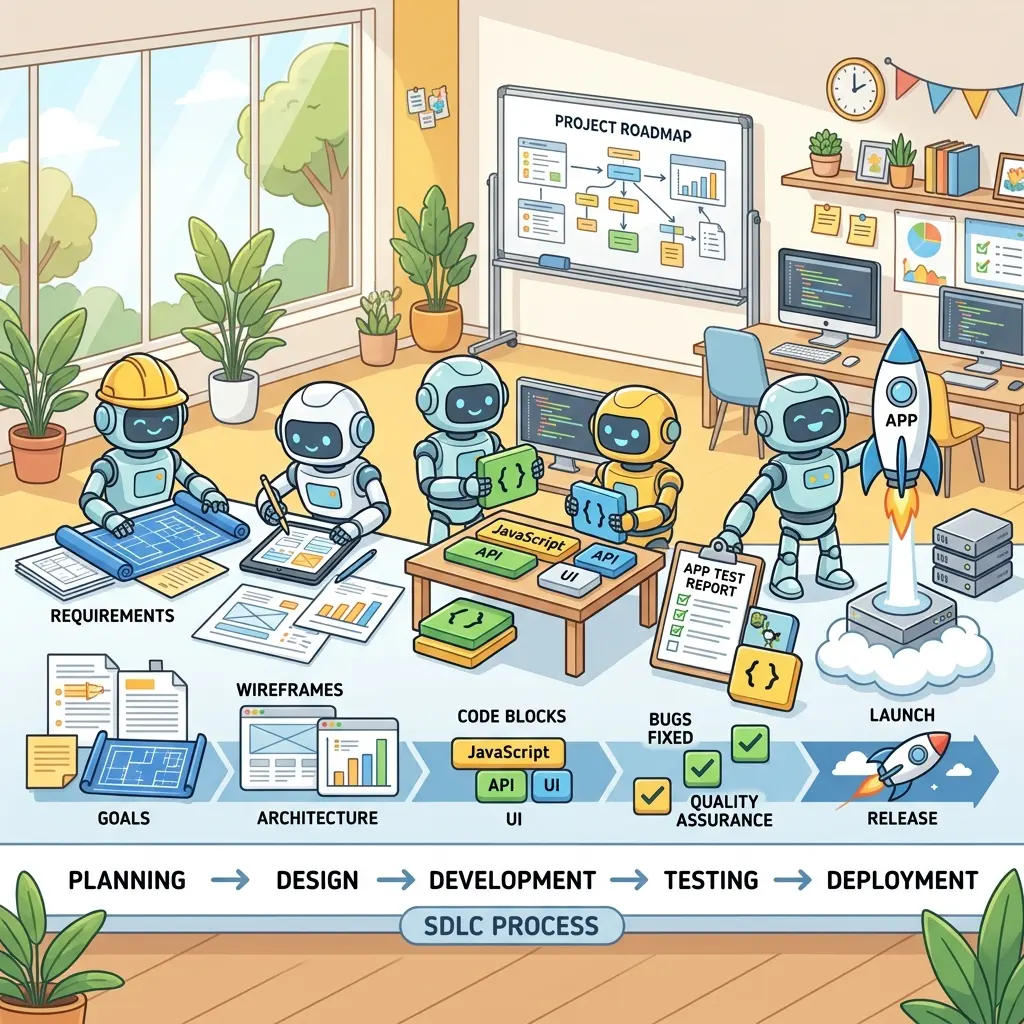
Applying traditional engineering discipline to non-deterministic models requires a structured pipeline. A robust framework breaks this down into six deterministic phases:
1. Define (Refine)
Never let an agent guess your architecture. In this phase, the agent acts as a product manager, interviewing you to clarify vague concepts. It will output:
- MVP Scope and target audience.
- Constraints (e.g., local storage vs. database, frontend frameworks).
- Anti-goals (what not to build).
2. Plan (Spec)
Once the idea is refined, the Plan skill translates it into a granular technical specification. This is where you establish your tech stack (e.g., React/Vite, FastAPI), performance metrics, and project scaffolding.
Crucially, this phase breaks the overarching project into isolated Phases and Tasks. This granular breakdown is the secret to controlling the agent’s blast radius, restricting the AI to touch only specific files during a task to prevent legacy code corruption.
3. Build (Agentic TDD)
The build phase operates best under strict Test-Driven Development (TDD). Agents excel at the Red-Green cycle:
- Red: The agent writes a failing test based on the spec.
- Green: The agent implements the minimal, clean logic to make the test pass.
Copilot/Agent UI Tips: For speed on personal projects, you can bypass manual approvals to let the agent run continuously through the build tasks. Also, focus on reading the “trajectory” (the agent’s thought process) to understand architectural decisions rather than blindly reading every line of generated code.
4. Verify
Web development has a distinct advantage in AI generation: automated browser testing. By hooking into an automation layer, your agent can spin up a local dev server and physically test the UI.
Specific Tool Recommendations: Injecting browser automation tools like Playwright MCP into your workflow allows the agent to interact with the DOM, validating that the rendered application matches the spec without human intervention.
5. Review & Simplify
Even when the code works, it must be reviewed. The Review skill runs an automated, multi-pass check focusing on:
- Security: Hardened checks for XSS vulnerabilities or exposed API keys.
- Code Simplification: A dedicated loop to refactor and simplify code after tests pass, reducing cognitive load and eliminating redundant logic.
6. Ship
Automating the final mile: CI/CD, Git workflows, and documentation generation.
Strategic Workflow Tactics
Multi-Model Routing
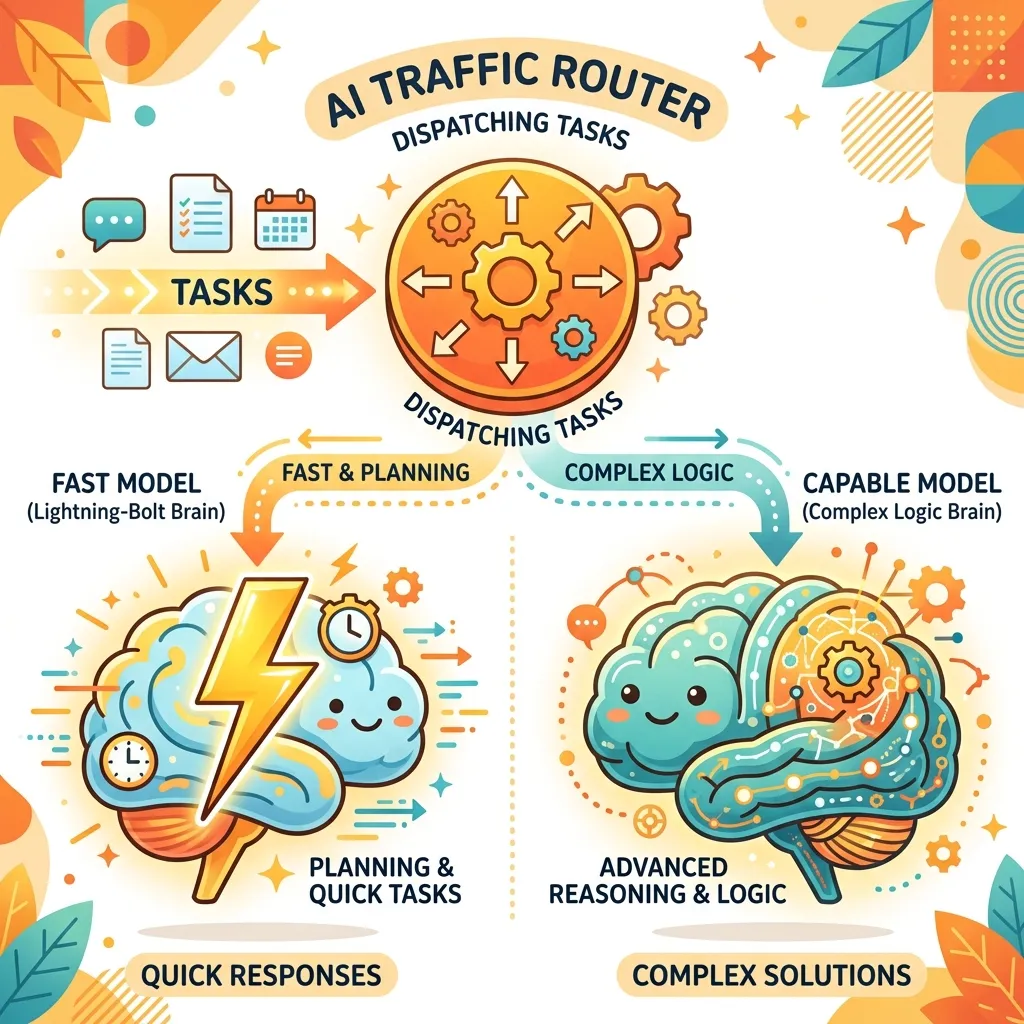
Not all tasks require frontier-level reasoning. To optimize speed and API costs, implement multi-model routing:
- Planning & Breakdown: Use lower-cost, high-speed models (like Flash variants or Claude Haiku) for planning, token-heavy breakdowns, and mapping out directories.
- Implementation & Logic: Switch to highly capable models (like Pro, Opus, or advanced GPT iterations) for complex logic implementation and API integrations.
MCP vs. CLI: The Great Debate
How should agents interact with your system? The tooling ecosystem is currently split between Model Context Protocol (MCP) and Command Line Interfaces (CLI).
- CLI (e.g., Copilot CLI): Incredibly fast and highly efficient because agents natively understand terminal commands and bash scripting. However, granting an agent raw terminal access requires high trust and has poor access control.
- MCP (Model Context Protocol): Vastly superior for handling strict authentication, standardized context injection, and granular permissions, though it can be overly verbose if not managed dynamically.
Documentation Injection: Leverage tools like the Context 7 MCP server. It forces your agent to read up-to-date documentation before attempting to implement APIs, bypassing the model’s static training data cutoff and preventing hallucinations.
Summary
We are transitioning from operators who write code to orchestrators who build workflows. By standardizing your “bag of tricks” into Agent Skills, enforcing strict SDLC pipelines, and strategically leveraging tools like Playwright MCP and multi-model routing, you can build scalable, secure applications with a fraction of the traditional cognitive overhead.
Read next